Pro Tip: Don’t Let a Water Heater Strap Stall Your Closing
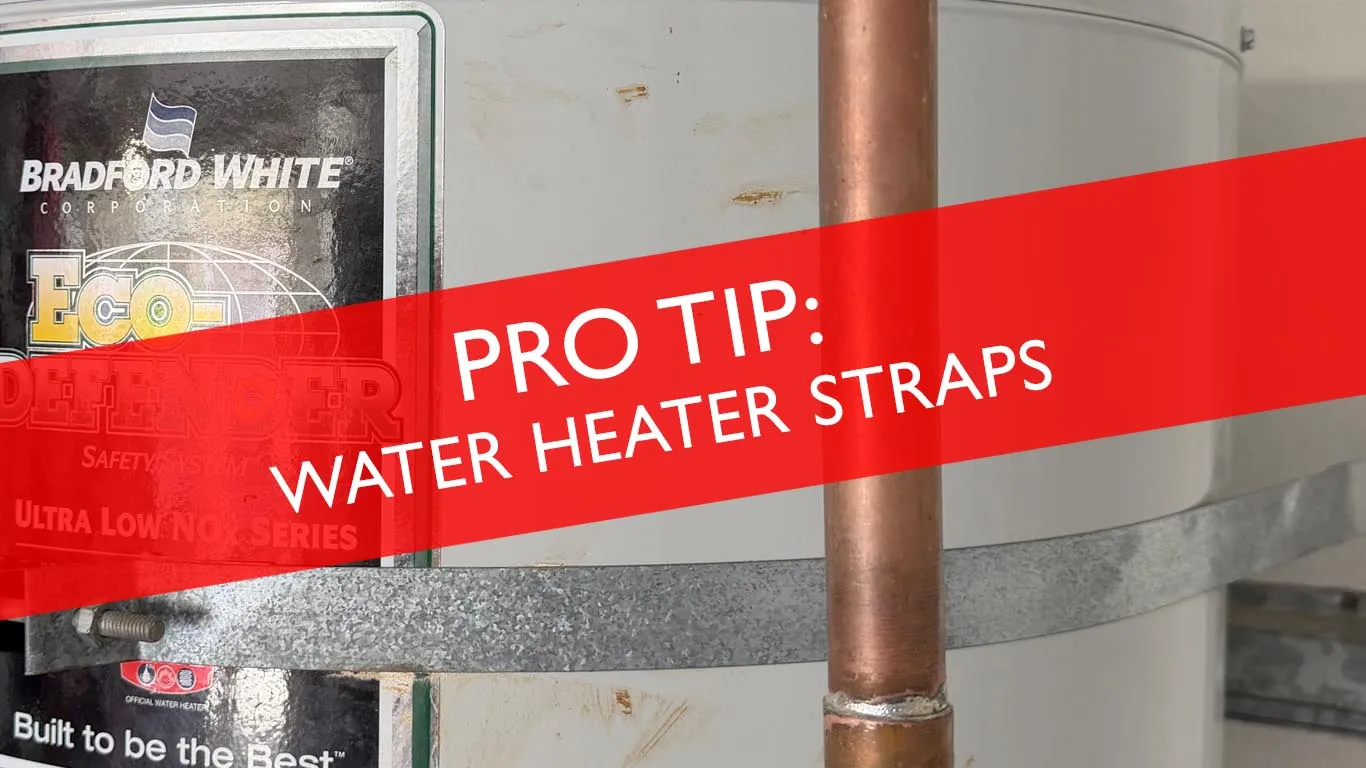
Pro Tip: Don't Let a Water Heater Strap Stall Your Closing
Real estate agents aren't experts in city code, and they shouldn't be — it's a separate field of expertise. That's what home inspectors are for. It's their job to look for issues with a property, including safety items like whether a water heater is properly strapped.
Inspections are a common part of the buying process at ORI, and over the past 18 months one item keeps showing up on inspection reports again and again: unstrapped water heaters. According to home inspectors, California code requires water heaters to be strapped — there's no leeway based on the type of installation. Whether it's an outdoor kitchen or a full casita, whether the water heater is tankless, a 1-gallon unit, or a 30-gallon tank, it needs a strap (or straps) to meet code. I recently confirmed this with our brokerage, and the requirement is firm: the strap has to be in place before the deal can close through escrow.
The good news is that this is an easy, inexpensive fix. The last time we had a strap installed, the total cost for labor and parts came in under $150 for an outdoor kitchen.
As a seller, taking care of this before you list removes a common source of delay and frustration later in the process. For the price, it's worth handling proactively. There's also a timing advantage: finding a repair person when you have plenty of lead time is easy. Finding one who can make the fix within the few days a closing timeline allows is often much harder.
My advice: if you're preparing to sell your lot at ORI, check your water heater strapping now, before it becomes a line item on someone else's inspection report and a scramble against your closing date.

Stay Updated with PLS Realty
Looking for property info, the latest listings, or updates on the clubhouse remodel? Sign up to get the latest from Pete Sutton Realty Team.

Explore more posts
Discover more insights and stories to keep you informed and inspired.